The Kakarbhitta border is fifty kilometres east of Damak, on the Mahendra Highway. From the Nepal side it is the gateway to Siliguri, Darjeeling and Sikkim. From the Indian side it is the natural overland route to Pathivara, Ilam and the eastern hills. The crossing is straightforward, but the timing and the onward transport need planning.
The distances and times
- Damak to Kakarbhitta
- 50 km · ~1 hr
- Kakarbhitta to Siliguri (India)
- 35 km · ~1 hr
- Border to Darjeeling
- ~80 km from Siliguri
- Border to Gangtok
- ~115 km from Siliguri
Lowland highway, paved, traffic-dependent. Mostly easy.
Indian side. Shared taxis at the border.
Total Damak to Darjeeling about 4–5 hours including border.
Total Damak to Gangtok about 6–7 hours including border.
Permits and paperwork
Indian and Nepali nationals can cross freely with valid government ID. Third-country nationals (most foreign passports) need a tourist visa for India in advance, plus an entry-stamp at the Nepal exit and Indian entry points. Allow forty-five minutes to an hour at the border for the paperwork on a normal day.
For Sikkim, foreign passport holders also need an Inner Line Permit (ILP), which can be issued at the border post at Rangpo. Bring two photographs and a passport photocopy. Indian nationals do not need the ILP.
When to overnight in Damak first
If you are catching a morning flight out of Bhadrapur to Kathmandu, or arriving on one, the answer is almost always yes. The same is true if you are travelling with elderly relatives, small children, or a lot of luggage. The alternative, a single push from Bhadrapur airport across the border into the hills, is doable on paper but exhausting in practice.
The case for overnighting: you cross the border rested, negotiate the local transport in daylight, and arrive in Darjeeling or Gangtok with enough afternoon for a meal and a walk. The alternative is arriving after dark, which shortens your first day at altitude.
Border hours and practical notes
- The border is open daily, typically from 6am to 8pm. Times shift slightly in winter. Cross before noon for the smoothest experience.
- Indian Rupees and Nepali Rupees are both useful on both sides for small purchases. Larger transactions on the Indian side need INR; ATMs are reliable at Siliguri.
- The Mechi/Miteri bridge opened in January 2023, easing pedestrian crossing significantly.
- Pre-arrange your onward vehicle from the Indian side where possible. The taxi syndicate at Panitanki (Indian side of the border) can be opaque on pricing.
- Carry Indian SIM or eSIM if you can. Nepali roaming on the India side is patchy.
Best season to cross
October through April is the dry window. November to February gives Darjeeling and Gangtok the clearest mountain visibility. March is rhododendron season in Darjeeling, the most beautiful time to walk the ridges. Avoid June to September monsoon. The border itself stays open, but landslides on the Indian hill side regularly close roads, and tea-estate visits become difficult.
Cross rested,
not road-broken.
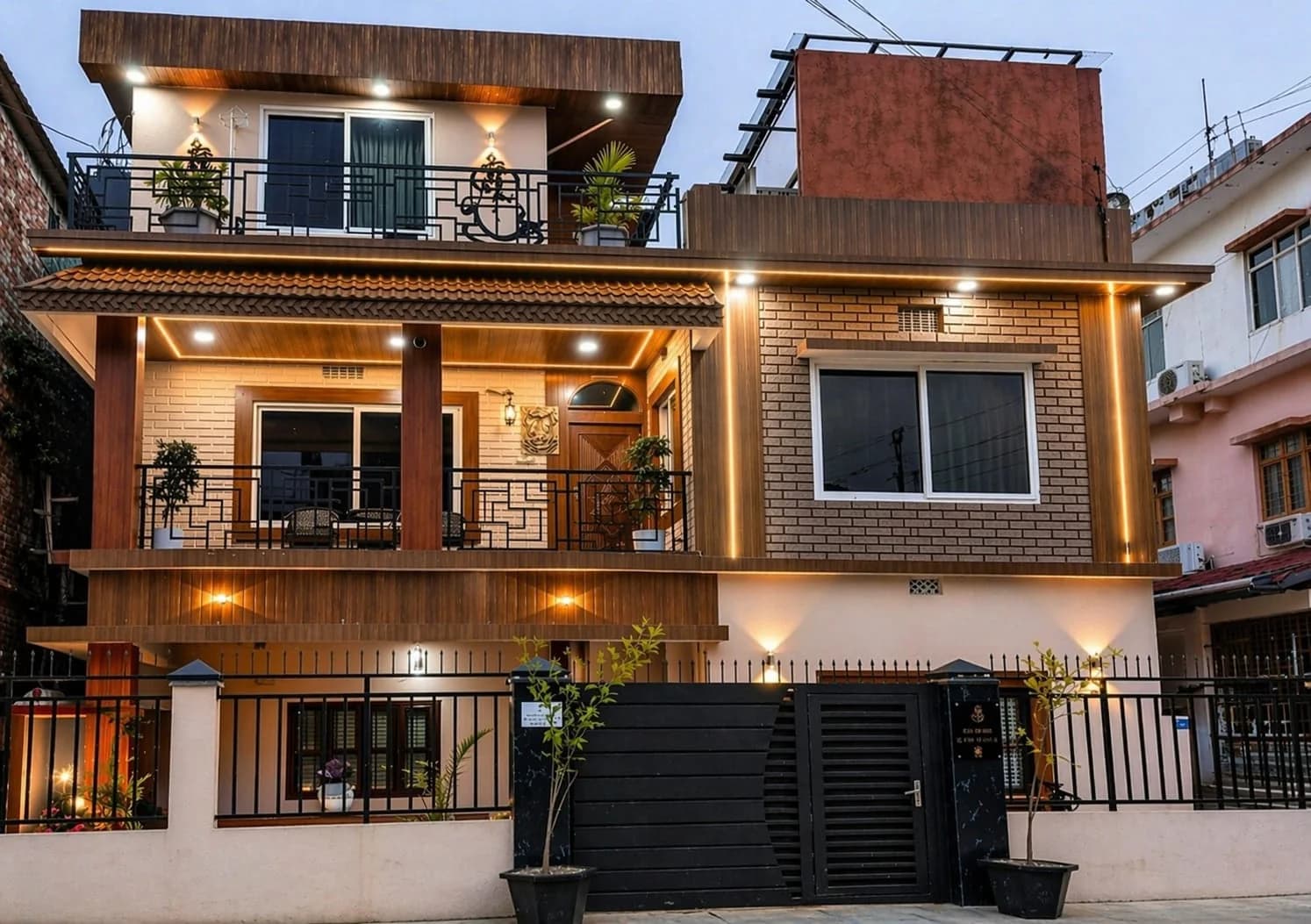
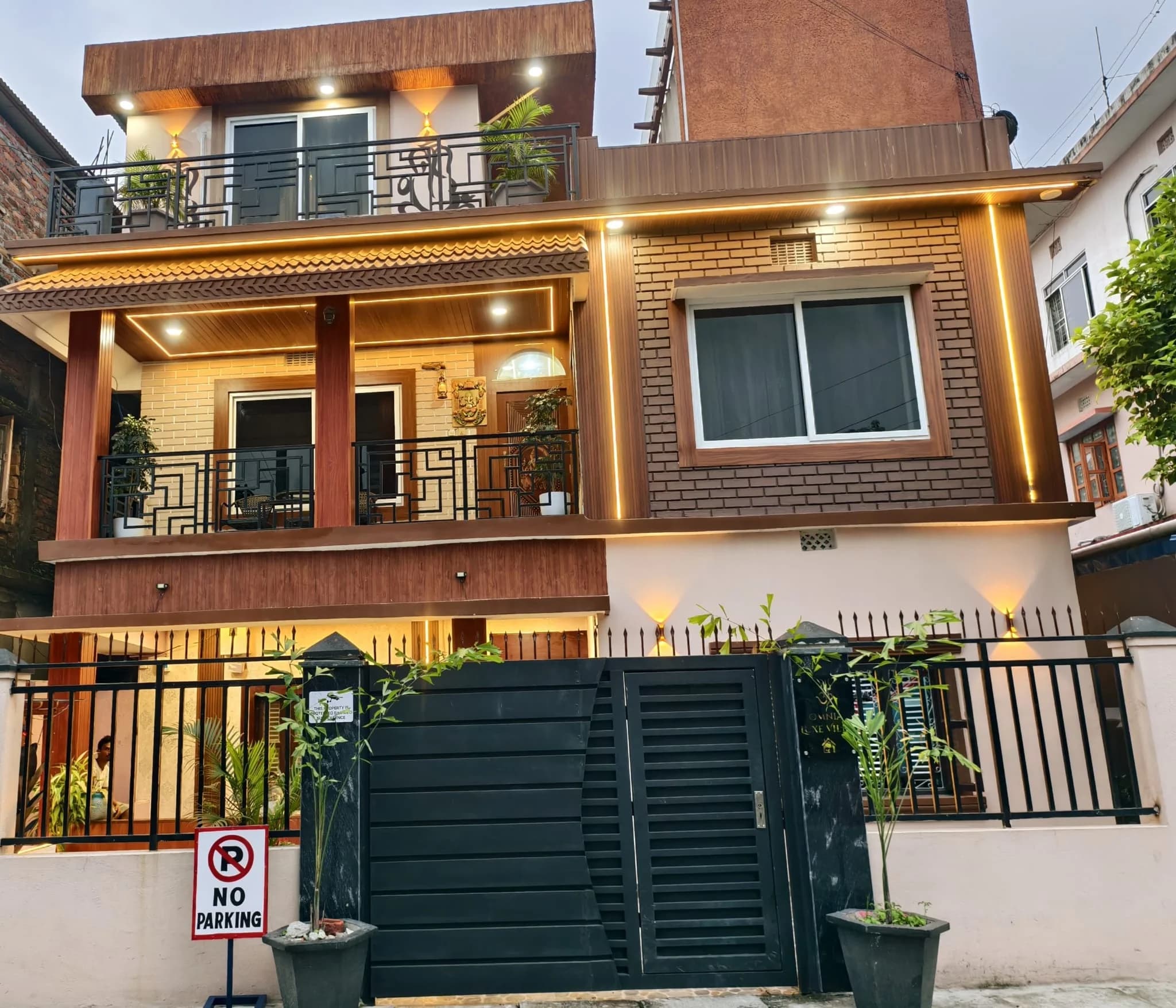
Omnia is an hour from the Kakarbhitta border, on the highway, with secure parking, free breakfast at dawn, and a caretaker who can help with the morning border vehicle. The natural overnight base before the crossing.