The Pathivara pilgrimage is one of the most travelled routes in Eastern Nepal. It is also one of the longest, and one of the most under-planned by first-time visitors. The single biggest mistake guests tell us they made the first time: trying to do it in a single day from the airport.
The temple itself, the Pathivara Devi shrine, sits at 3,794 metres in Taplejung district. It is recognised as a Shakti Peeth, sacred to both Hindus and Buddhists, and is visited by roughly three hundred thousand devotees a year. Peak single day counts during festivals exceed eight thousand. The shrine is the goal. The journey to it is, for most travellers, two days each way.
The actual numbers
Distances and times from Bhadrapur Airport (BDP), which is where most pilgrims arrive by air:
- Bhadrapur to Damak
- 45 km
- Damak to Phungling (Taplejung HQ)
- ~230 km
- Phungling to base of Pathivara
- ~30 km
- Base to temple
- ~7 km on foot
About 1 hour by road. The natural place to break the journey.
Eight to ten hours of mountain road. Switchbacks and slow traffic.
Local jeep transport. Usually arranged at Phungling.
A three to four hour trek depending on fitness and weather.
Why a Damak stopover changes the trip
The drive from Bhadrapur all the way to Phungling without a break is brutal. Mountain road for nine to ten hours, much of it after the lowlands give way to switchbacks past Birtamod. Most experienced drivers will not attempt the full run in a day, especially with elderly relatives or small children in the car. They split it. Damak is the most comfortable place to do that.
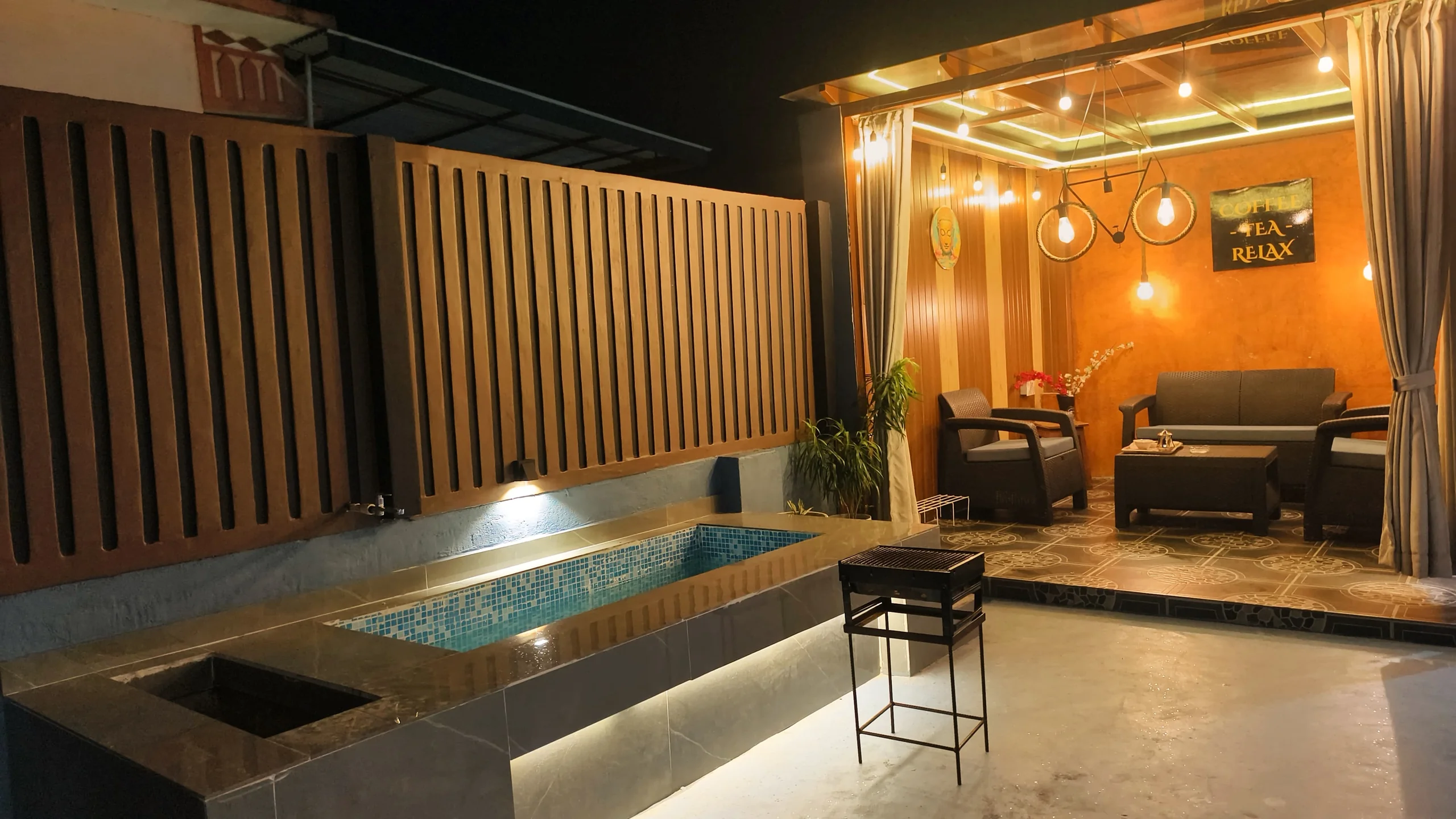
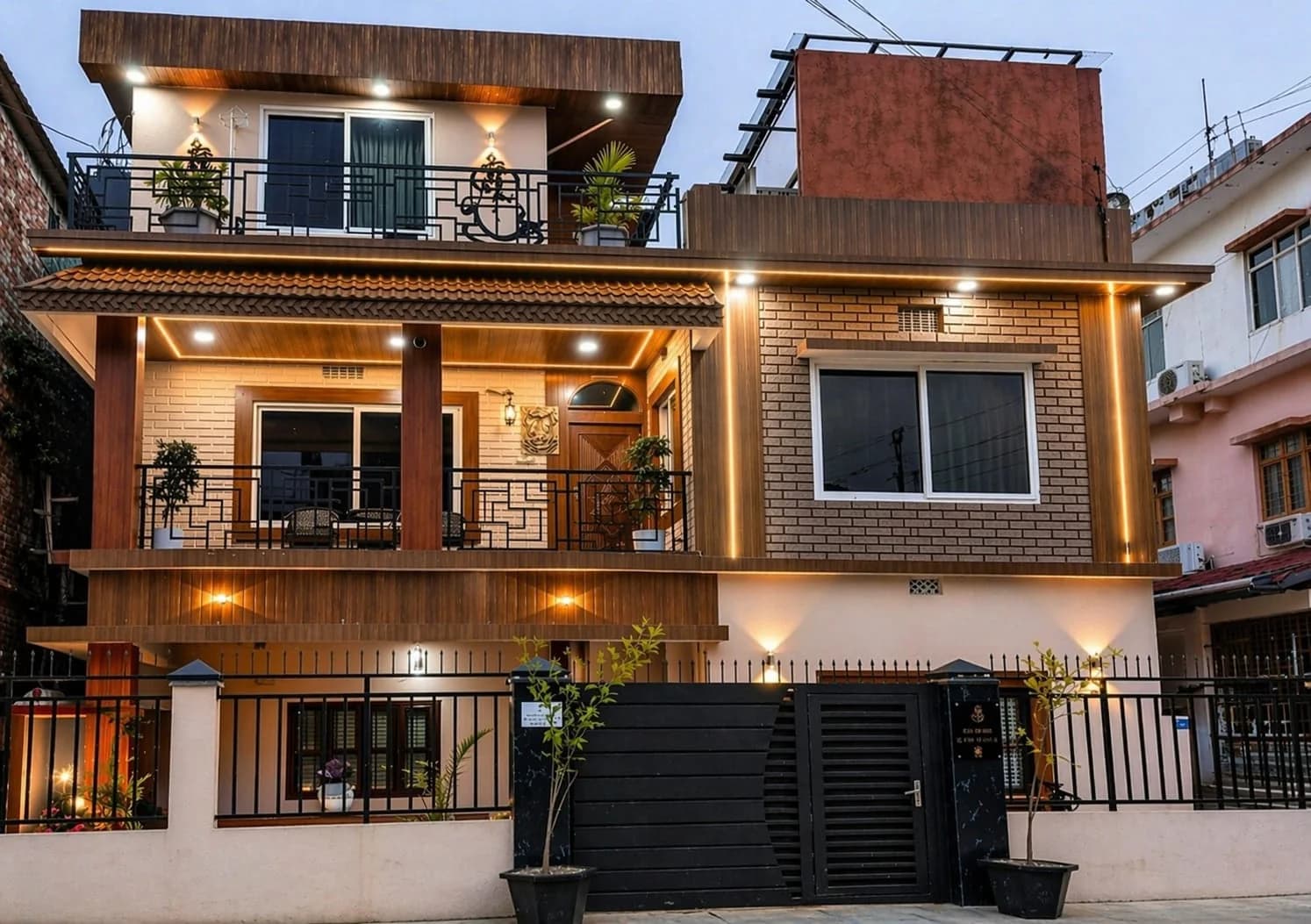
Omnia is on the Mahendra Highway, the natural exit point from the airport corridor. Arriving on a morning flight, you can be checked in by midday, eat lunch on the rooftop, sleep on a real mattress, and leave at sunrise for the climb to Phungling. By the time you start the trek the next morning, you are rested instead of road-broken.
What to pack for the trek itself
- Warm layers. The temple is at 3,794 m. Even in summer, early morning is cold.
- Sturdy shoes. The path is paved in places, gravelly in others, slippery during monsoon.
- Cash in small denominations. Card payment is unreliable past Birtamod.
- Light jacket, hat, sunscreen. UV exposure is high at altitude.
- Bottled water. Local resupply exists but is irregular.
- Patience. The road past Fungling is slower than it looks on a map.
Best season for the journey
October through April is the best window. November to February gives the clearest mountain views and the most stable road conditions. The monsoon (June to September) brings landslides on the upper stretches; avoid if you can. Tihar and the days around Dasain are peak pilgrimage and push pilgrim numbers above ten thousand a day, which makes both the road and the trek crowded.
The two-day route, summarised
Day one: Fly into Bhadrapur in the morning. One hour by road to Damak. Lunch, rest, and a slow afternoon at the villa. Early dinner.
Day two: Pre-dawn departure from Damak. Eight to ten hours of road to Phungling. Overnight at a local lodge near the temple base.
Day three: Pre-dawn trek to the temple. Darshan. Return to Phungling by mid-afternoon. Overnight again or begin the return journey.
Day four (return): Phungling back to Damak. Final night at Omnia. Easy run to Bhadrapur and home.
The natural overnight base
between Bhadrapur and Taplejung.
Omnia Luxe Villa is on the highway, an hour from the airport, with free breakfast included and a dedicated caretaker for early starts. Built for groups doing the Pathivara journey in two stages.